






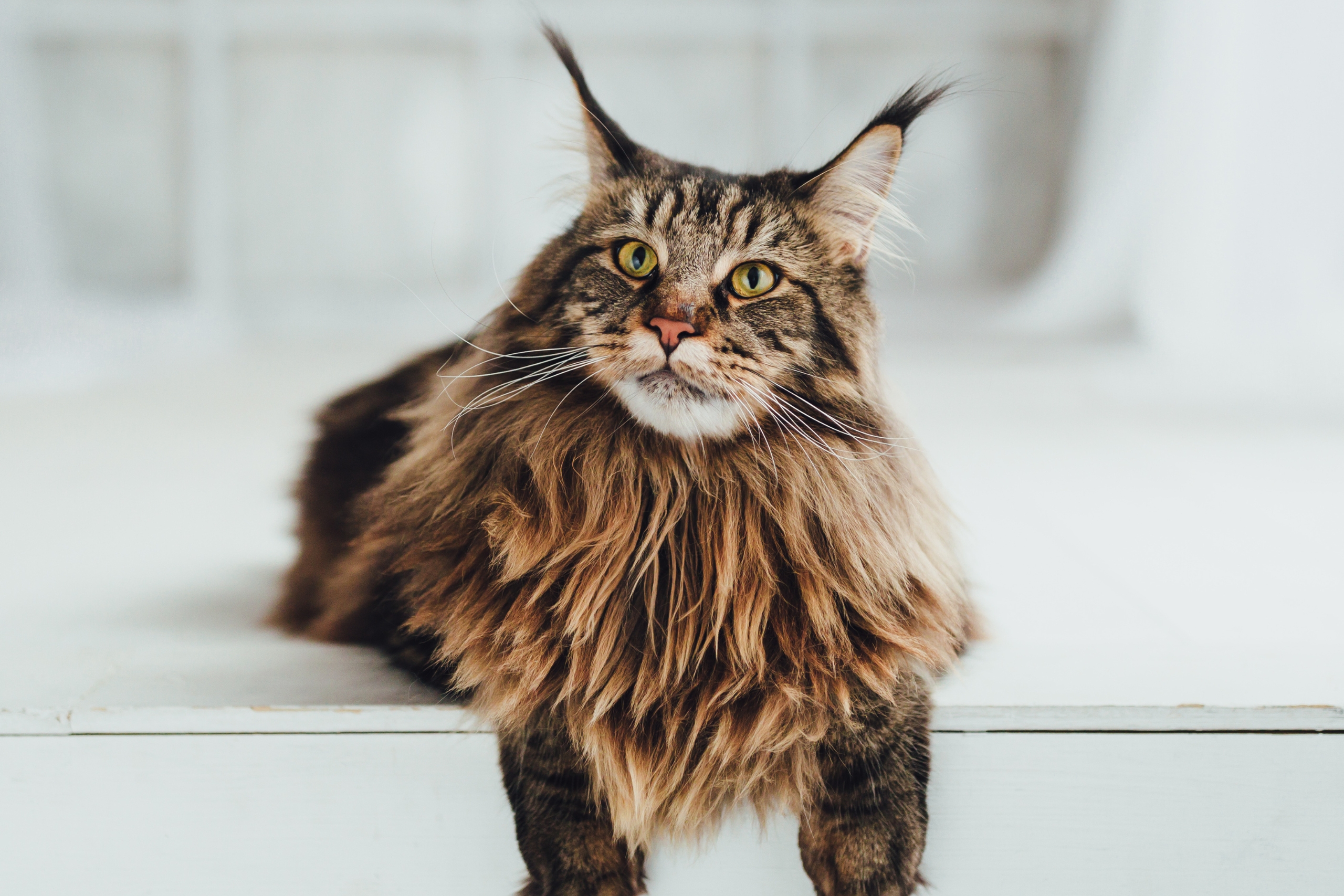
Introduction — Why the Maine Coon Continues to Capture the Hearts of Cat Lovers Everywhere
The Maine Coon has become one of the most sought-after cat breeds across the world, celebrated for its impressive size, affectionate nature, and striking physical features. Known as the “gentle giant” of the cat world, this breed charms new owners with its calm personality, dog-like companionship, and playful behaviour that continues well into adulthood. The Maine Coon’s rising popularity reflects a broader trend among pet owners who seek animals that combine beauty with loyalty, making the breed especially appealing to families, first-time pet parents, and experienced cat enthusiasts alike.
What sets the Maine Coon apart is its balanced temperament. Friendly but not demanding, social but not overwhelming, this breed adapts comfortably to various home environments. As more people turn to indoor pets for companionship, the Maine Coon’s approachable personality, intelligence, and gentle nature make it a standout choice. Understanding their care needs, behaviour patterns, and daily routines helps new owners provide a nurturing home where these remarkable cats can thrive.
A Personality That Feels Both Majestic and Down-to-Earth
Maine Coons are renowned for their unique blend of regal appearance and approachable, affectionate nature. Despite their large size, they display an easygoing temperament that makes them well-suited for families, multi-pet households, and even quieter homes. They enjoy human company but rarely demand constant attention, often following their owners from room to room simply to remain nearby. Their chirpy vocalisations and expressive eyes create a charming communication style that strengthens emotional bonds.
What surprises many new owners is the breed’s playful streak. Maine Coons retain kitten-like curiosity throughout their lives, enjoying interactive toys, puzzle feeders, and gentle games that tap into their intelligence. These traits create opportunities for meaningful engagement, reinforcing the importance of adopting responsible feline ownership practices, the category keyword highlighted in this article. Recognising these behavioural tendencies helps owners create routines that support both happiness and harmony.
Daily Care Requirements Every Maine Coon Owner Should Understand
The Maine Coon’s lush, semi-long coat is one of its signature characteristics. Although less prone to matting than many long-haired breeds, their fur still requires regular grooming to stay clean and healthy. A brushing schedule of two to three times per week helps reduce shedding, prevent tangles, and keep the coat soft. During seasonal shedding periods, more frequent grooming may be needed. Many owners find this ritual creates bonding moments that strengthen trust and comfort.
Beyond grooming, nutrition plays a pivotal role in maintaining the breed’s overall well-being. Maine Coons have sturdy frames and strong musculature, making high-quality, protein-rich diets essential. Owners should also monitor portion sizes carefully, as the breed’s hearty appetite may lead to unnecessary weight gain. Regular veterinary checkups, dental care, and parasite prevention ensure long-term health. By maintaining a consistent care routine, new owners can support their cat’s physical vitality and emotional balance.
Exercise and Mental Stimulation to Support a Healthy Lifestyle
Although Maine Coons are known for their laid-back personalities, they still require meaningful stimulation to remain healthy and fulfilled. Their playful instincts make them enthusiastic climbers and explorers, which is why cat trees, elevated platforms, and window perches are excellent additions to their environments. Interactive toys, feather wands, and gentle chase games help burn energy and prevent boredom-related behaviours such as scratching or overgrooming.
Mental stimulation is equally important. Puzzle toys, treat-dispensing feeders, and training sessions that leverage positive reinforcement engage the breed’s intelligence and curiosity. Maine Coons often learn tricks, respond to their names, and enjoy enrichment routines that challenge their natural instincts. By incorporating structured play and cognitive exercises into daily life, owners foster a healthier, more emotionally balanced pet, building a rewarding companionship that grows richer over time.
Social Needs and How Maine Coons Connect With Their Households
Despite their independent streak, Maine Coons thrive in social environments. They are known for forming strong attachments to their human companions and participating in family activities with surprising enthusiasm. Whether sitting nearby during work hours, joining in conversation with soft vocalisations, or greeting visitors with calm curiosity, they display an intuitive understanding of household dynamics. Their gentle, tolerant nature also makes them suitable for families with children who interact respectfully.
Maine Coons coexist well with other pets, especially when introductions are handled thoughtfully. Their composed personalities help them adjust to multi-pet households, and many develop strong, playful relationships with other cats or even dogs. This enhanced social intelligence aligns closely with The Bryn Review’s dedication to holistic pet companionship insights, the homepage keyword placed in this article. Owners who appreciate these social qualities will find the Maine Coon a loyal, cooperative, and engaging companion.
What New Owners Should Expect During Growth and Maturity
Unlike many cat breeds, Maine Coons mature slowly, often reaching full size between three and five years of age. This gradual development influences everything from nutrition planning to behavioural expectations. Kittens grow rapidly during their first year, requiring nutrient-dense diets and careful attention to joint health. As they mature, their playful energy stabilises, but their affectionate personalities remain consistent throughout adulthood.
New owners should be prepared for a noticeable increase in size as their Maine Coon grows. Adult cats can weigh significantly more than typical domestic breeds, making sturdy furniture, reinforced scratching posts, and spacious litter areas essential. Despite their impressive stature, Maine Coons maintain gentle temperaments throughout life, creating a balanced and deeply rewarding ownership experience. Understanding these developmental stages helps individuals support their cat’s health while preparing for the long-term joy these remarkable animals bring.
Conclusion
The Maine Coon’s rising popularity reflects its extraordinary blend of beauty, intelligence, and calm sociability. As more individuals seek pets that complement family life and offer steady companionship, this gentle giant stands out as a breed that balances independence with affectionate loyalty. Proper care—through regular grooming, thoughtful nutrition, meaningful play, and social engagement—allows Maine Coons to thrive in virtually any home environment. Their adaptable personalities and long-term companionship make them a beloved choice for new and experienced cat owners alike. This perspective aligns with The Bryn Review’s mission to share holistic pet companionship insights, highlighting how understanding a breed’s needs and behaviours strengthens bonds and fosters enriching relationships between people and their pets.