





Heating expectations in residential properties have evolved significantly in recent years, driven by rising energy costs, sustainability goals, and changing lifestyle preferences. Homeowners are increasingly looking beyond traditional radiators in search of solutions that offer consistent comfort, improved efficiency, and greater design flexibility. Underfloor heating has emerged as a practical response to these demands, offering a discreet and effective way to heat living spaces evenly. Particularly in regions with diverse housing styles, understanding how this heating approach fits different property types is essential. This article examines the broader appeal of underfloor heating, focusing on performance, energy considerations, lifestyle impact, and long-term value. Rather than concentrating on installation alone, it explores why this heating method is becoming a preferred choice for homeowners seeking comfort, efficiency, and future-ready living environments.
How Even Heat Distribution Transforms Living Spaces
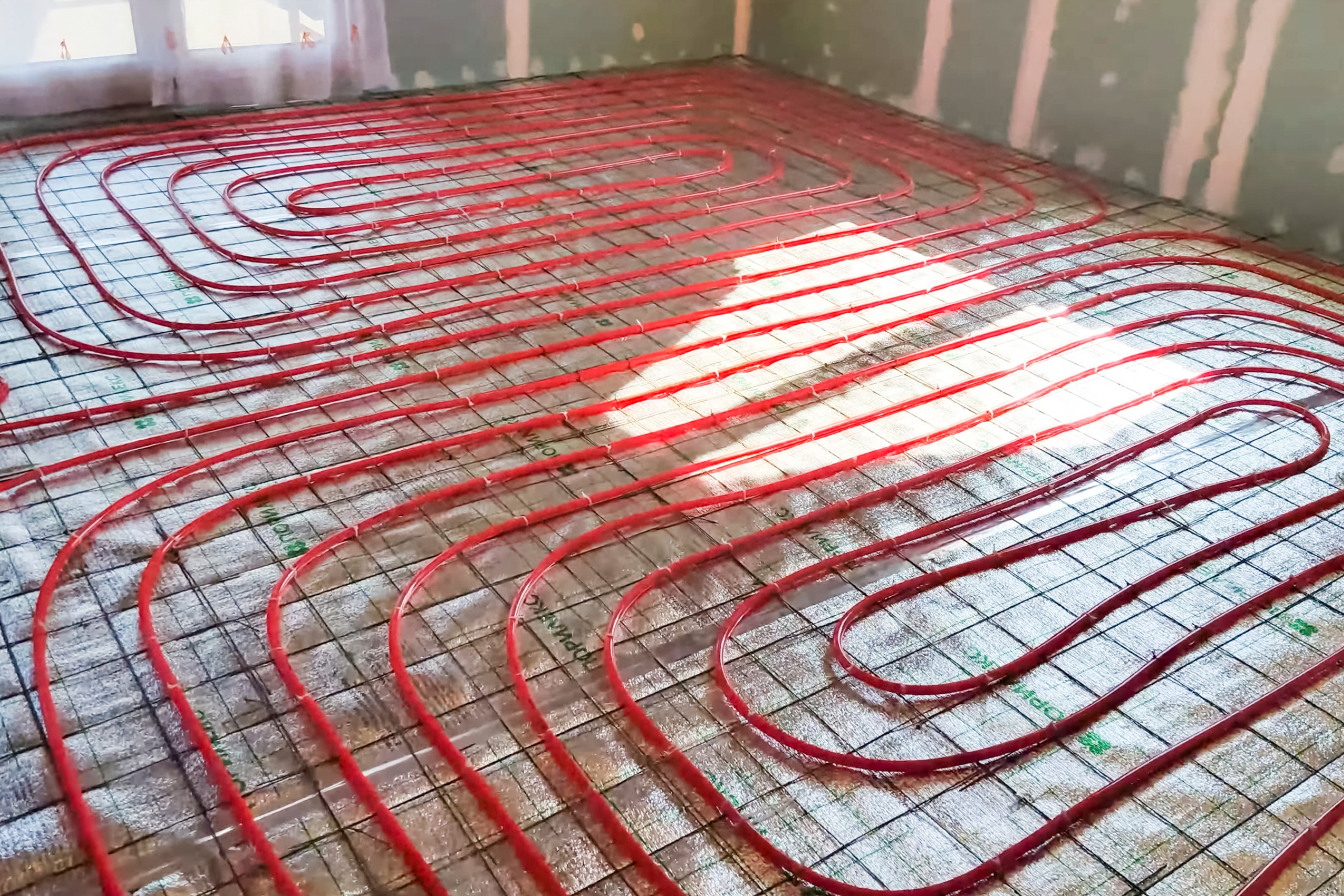
One of the defining characteristics of underfloor heating is its ability to deliver heat evenly across an entire room. Unlike radiators, which concentrate warmth around specific points, underfloor systems create a uniform temperature from floor to ceiling. This results in a more balanced and comfortable environment.
Even heat distribution enhances everyday living by eliminating cold spots and drafts. Rooms feel naturally warm without the fluctuations often associated with traditional heating systems. This is especially noticeable in open-plan areas where maintaining consistent temperature can be challenging.
This gentle, radiant heat also contributes to improved air quality. Reduced air circulation means less dust movement, creating a cleaner and more comfortable indoor atmosphere, particularly beneficial for those with allergies.
Energy Efficiency and Sustainable Heating Choices
Energy efficiency is a key factor driving interest in modern heating solutions. Underfloor heating operates effectively at lower temperatures than conventional systems, reducing overall energy consumption while maintaining comfort.
Lower operating temperatures place less strain on heating systems, improving efficiency and longevity. When paired with modern insulation and smart controls, underfloor heating supports sustainable energy use without compromising performance.
This efficiency aligns well with environmentally conscious living. Reduced energy demand contributes to lower carbon emissions, making underfloor heating an attractive option for homeowners seeking to reduce their environmental footprint while managing energy costs responsibly.
Compatibility with Contemporary Home Design
Modern home design prioritises open spaces, clean lines, and flexibility. Underfloor heating complements these principles by removing the need for wall-mounted radiators. This allows greater freedom in interior layout and furniture placement.
The system integrates seamlessly beneath various flooring types, including tiles, stone, and engineered wood. This adaptability makes it suitable for kitchens, bathrooms, and living areas alike, supporting cohesive design throughout the home.
By remaining hidden from view, underfloor heating preserves aesthetic appeal while delivering practical benefits. This combination of form and function makes it particularly appealing in contemporary and renovated properties.
Comfort Benefits Beyond Temperature Control
Comfort extends beyond warmth alone. Underfloor heating creates a more pleasant living environment by maintaining steady temperatures throughout the day. Floors remain warm underfoot, enhancing comfort during colder months.
The absence of visible heating elements also reduces surface temperature extremes. This creates safer environments for families with children or elderly occupants, minimising the risk of accidental burns.
Additionally, underfloor heating operates quietly, without the noise associated with radiators expanding or boilers cycling frequently. This contributes to a calmer, more comfortable home atmosphere.
Suitability for Different Property Types
Underfloor heating is highly adaptable, making it suitable for a wide range of property styles. From modern developments to traditional homes, systems can be designed to meet specific structural and heating requirements.
In larger properties, underfloor heating provides consistent warmth across multiple rooms. In smaller homes or extensions, it offers efficient heating without occupying valuable wall space.
For homeowners considering underfloor heating in West Midlands properties, this adaptability is particularly valuable due to the region’s mix of older housing and new developments. Tailored system design ensures effective performance regardless of property age or layout.
Long-Term Value and Lifestyle Advantages
Investing in underfloor heating offers long-term benefits beyond immediate comfort. Improved energy efficiency can lead to reduced heating costs over time, while modern systems require minimal maintenance.
From a property perspective, underfloor heating is often viewed as a premium feature. It enhances appeal to future buyers who value efficiency, comfort, and modern design. This can positively influence property value and marketability.
Lifestyle benefits also play a role. Consistent warmth, improved air quality, and unobtrusive design contribute to a more enjoyable living experience, making underfloor heating a practical and desirable long-term investment.
Conclusion
Underfloor heating represents a shift towards more thoughtful and efficient home heating solutions. Its ability to deliver even warmth, support sustainable energy use, and integrate seamlessly with modern design makes it an increasingly popular choice. Beyond technical performance, it enhances comfort, safety, and lifestyle quality for occupants. Adaptable to a wide range of properties, underfloor heating meets the needs of both contemporary living and long-term value considerations. By focusing on efficiency, aesthetics, and consistent comfort, this heating approach offers a future-ready solution that aligns with evolving expectations of home environments.