






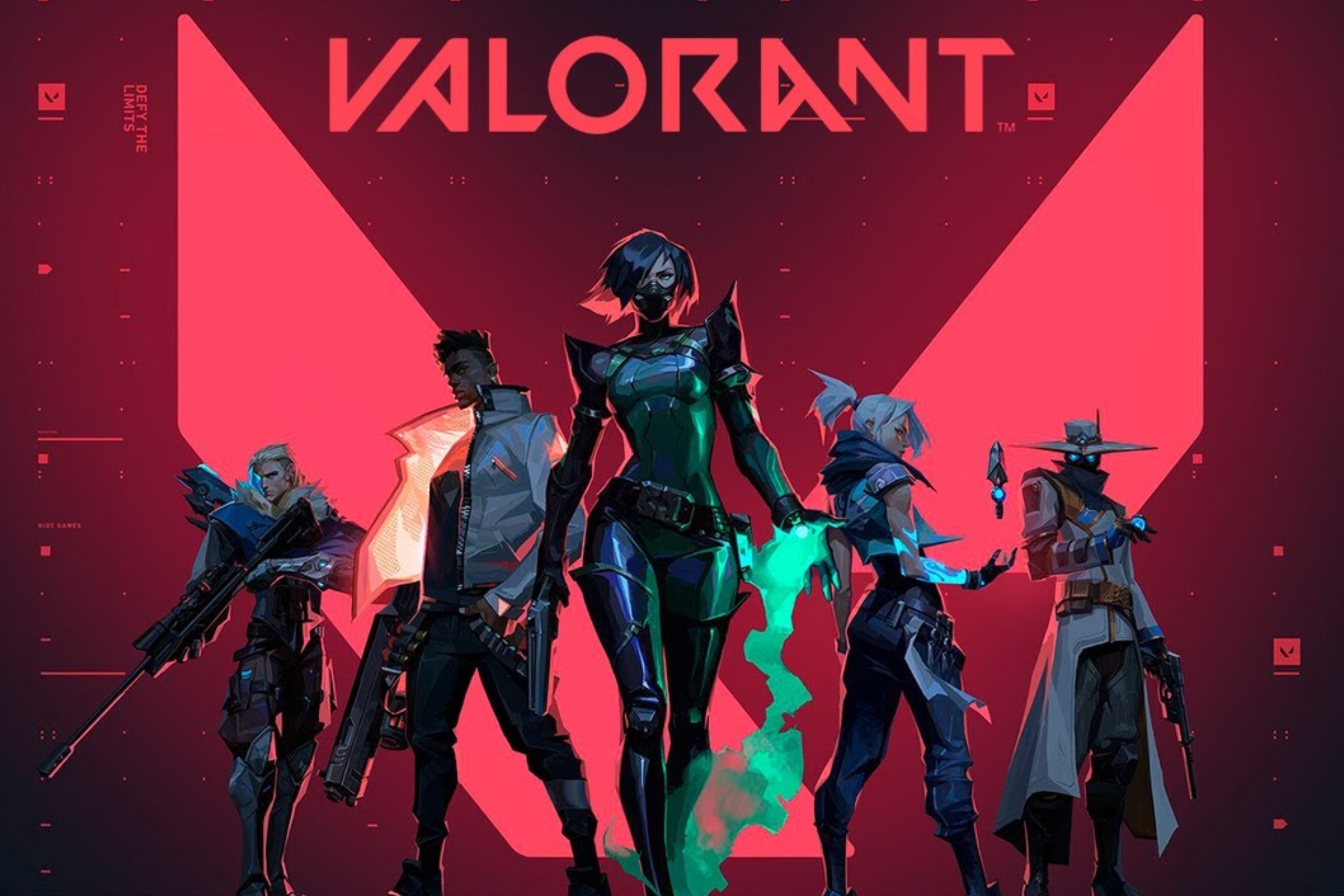
Introduction — How Valorant Reinvented the Competitive Shooter Formula
Valorant has established itself as one of the most influential competitive shooters of the modern gaming era, blending tactical precision with character-driven abilities in a way that continues to captivate millions of players worldwide. The game’s rise has redefined expectations for what a first-person shooter can be, offering a mix of strategic depth, tight mechanical gameplay, and team-based coordination that appeals to both casual players and seasoned esports competitors. Its emphasis on communication, map knowledge, and tactical execution has transformed the genre and created a loyal, highly engaged community.
What makes Valorant particularly impressive is its long-term staying power. Many games struggle to maintain player interest beyond their initial hype, yet Valorant continues to evolve with new agents, maps, balance updates, and creative seasonal content. This commitment to refinement keeps the experience feeling fresh while staying loyal to the core formula that players enjoy. With its vibrant esports ecosystem and consistently expanding player base, Valorant has become more than a game—it’s a competitive culture that encourages teamwork, skill development, and continuous improvement.
A Competitive Formula Built on Teamwork and Tactical Precision
Valorant’s success can largely be attributed to its unique balance between mechanical skill and strategic thinking. Unlike shooters that rely primarily on reflexes, Valorant blends aim accuracy with ability coordination, making teamwork an essential part of the game’s identity. Each agent has a defined role—controller, sentinel, duelist, or initiator—and these classifications encourage players to approach rounds with structure and intention. Team compositions become strategic decisions rather than random selections, allowing players to build tactics around agent strengths.
The game’s tactical structure also rewards patience and thoughtful execution. Teams must coordinate utility usage, predict enemy rotations, and adapt strategies mid-round. This combination of depth and balance has made Valorant a favourite among players seeking a more intellectually engaging FPS experience. It aligns with broader competitive gaming engagement dynamics, the category keyword used in this article, highlighting why players appreciate titles that challenge both their reflexes and decision-making abilities.
The Impact of Agent Abilities on Gameplay Variety and Replay Value
One of Valorant’s strongest features is its roster of agents, each offering abilities that fundamentally shape how matches unfold. Smokes, flashes, walls, drones, traps, and teleportation mechanics introduce layers of strategic complexity uncommon in traditional tactical shooters. These abilities allow players to create unexpected plays, explore creative map control options, and develop unique team strategies that evolve over time.
The evolving agent pool keeps gameplay fresh. Each new character introduces adjustments to the meta, prompting players to experiment with updated team compositions and tactics. Abilities also make the game more accessible, giving inexperienced players ways to contribute even without perfect aim. This blend of predictability and unpredictability enhances replay value, as no two matches ever feel identical. The diversity of playstyles and endless tactical combinations ensure long-term engagement and motivate players to continually refine their skills.
A Thriving Esports Scene That Attracts Players Worldwide
Valorant’s esports ecosystem has become a defining force behind its sustained popularity. Riot Games, already experienced in building global competitions, created the Valorant Champions Tour (VCT), a multi-tier competitive structure that gives players clear pathways to professional play. This strong competitive infrastructure attracts both aspiring and professional gamers, creating a community that thrives on high-level matches, strategic breakthroughs, and remarkable mechanical displays.
What makes Valorant’s esports particularly engaging is its accessibility. Fans can easily follow tournaments, watch educational content, and study professional strategies that they can apply to their own games. The esports scene acts as both entertainment and a learning resource, inspiring players to improve while feeling connected to a larger community. The constant cycle of tournaments, qualifiers, and LAN events keeps the game energetic and culturally relevant.
Constant Updates, Balance Patches, and Seasonal Content Keep the Game Fresh
Riot Games’ dedication to regular updates plays a crucial role in sustaining Valorant’s player base. Balance patches ensure that no single agent becomes overwhelmingly dominant, while weapon adjustments help maintain fairness and variety in gameplay. These patches not only address issues but also create natural shifts in the meta, keeping the experience dynamic and unpredictable.
Seasonal content—including battle passes, limited-time events, and cosmetic releases—adds layers of excitement and progression that motivate players to return regularly. Even subtle map modifications influence strategies and keep players adapting. This level of continuous support demonstrates the developers’ commitment to long-term growth. It also emphasises how responsiveness to community feedback contributes to the game’s ability to hold attention over time, reinforcing a strong connection between players and developers.
A Community-Driven Culture That Encourages Learning and Improvement
Beyond gameplay and esports, Valorant has cultivated a passionate community committed to personal growth and shared learning. Players frequently create guides, tutorials, agent breakdowns, and strategy discussions that help others improve. This collaborative environment fosters a sense of camaraderie even among competitors, as individuals exchange tips, celebrate milestone achievements, and share highlights.
The social aspect extends to team formation, scrimmages, and casual matches where players practice communication and coordination. Even those who do not compete professionally find satisfaction in the continuous improvement cycle—reviewing replays, refining aim mechanics, and studying advanced tactics. This sense of growth and belonging ties directly into the homepage keyword immersive digital culture insights, reflecting how Valorant’s community thrives on mutual support and shared enthusiasm for competitive gaming.
Conclusion
Valorant’s continued dominance in the competitive FPS landscape is the result of its expertly crafted balance between strategy, teamwork, and mechanical skill. The game’s evolving roster of agents, thriving esports presence, and commitment to frequent updates keep the experience fresh and rewarding for players of all levels. Its ability to foster strong communities built on collaboration, improvement, and shared excitement sets it apart from many titles in the genre. As players continue to seek immersive and meaningful digital experiences, Valorant stands as a shining example of a game that grows with its community while pushing the boundaries of tactical shooters. This enduring appeal mirrors The Bryn Review’s dedication to offering immersive digital culture insights, emphasising how modern gaming experiences continue to transform interactive entertainment.