




Introduction — Discovering a Capital Where History, Culture, and Coastal Beauty Converge
Valletta, Malta’s compact yet captivating capital, has quietly emerged as one of Europe’s most compelling travel destinations. While cities like Rome, Paris, and Barcelona dominate the spotlight, Valletta offers an entirely different kind of charm—one shaped by golden limestone architecture, dramatic sea views, and centuries of layered history. As travellers increasingly prioritise authentic cultural experiences and walkable cities, this UNESCO World Heritage gem provides an immersive journey into the heart of the Mediterranean. Its narrow streets, ornate balconies, and monumental fortifications feel like a living museum, yet the city pulses with modern cafés, boutique hotels, and creative spaces that reflect Malta’s growing contemporary spirit.
What makes Valletta especially remarkable is its balance between tranquillity and richness. Visitors can explore grand baroque palaces, sip coffee by the harbour, wander through quiet side streets, or take in the vibrant waterfront—all within minutes. The city’s intimate size encourages slow exploration, allowing travellers to uncover details often overlooked in larger capitals. With its growing reputation among global wanderers, Valletta invites visitors to experience history, culture, and coastal serenity in one uniquely atmospheric destination.
A City Shaped by Centuries of History and Architectural Grandeur
Valletta’s defining character lies in its extraordinary history, which dates back to the Knights of St. John in the 16th century. The city’s grid layout, fortified walls, and grand architectural landmarks reflect the knights’ strategic vision to build a capital that embodied strength, faith, and artistic beauty. Walking through Valletta feels like stepping into another era, where baroque churches, ornate facades, and wide stone stairways tell stories of Malta’s layered past. St. John’s Co-Cathedral, one of Europe’s most stunning baroque churches, showcases intricate artwork, marble inlays, and Caravaggio’s iconic masterpiece “The Beheading of Saint John the Baptist.”
The city’s historical depth remains one of its primary draws, especially for travellers who appreciate destinations that combine cultural education with visual splendour. Valletta’s compact design allows visitors to move seamlessly from one landmark to another, creating an immersive experience grounded in centuries of artistry and resilience. This unique blend of accessibility and heritage echoes the category keyword immersive Mediterranean travel experiences, capturing the essence of why history lovers gravitate toward this remarkable capital.
Cultural Festivals, Art Spaces, and a Growing Creative Scene
Beyond its historical grandeur, Valletta surprises visitors with a thriving creative energy. Since its recognition as the European Capital of Culture, the city has embraced a renewed artistic identity that showcases both traditional craftsmanship and contemporary expression. Its narrow streets host independent galleries, artisan boutiques, and cultural hubs that highlight Maltese creativity. The Manoel Theatre—one of Europe’s oldest working theatres—continues to captivate audiences with classical performances, while modern venues like Spazju Kreattiv bring experimental art, film, and exhibitions to the forefront.
Valletta’s festival scene plays a significant role in its growing appeal. Events such as the Valletta Film Festival, Notte Bianca, and Malta International Arts Festival draw visitors from across Europe, transforming the city into a lively celebration of music, culture, and creativity. These festivals bring together locals and travellers, creating an engaging cultural atmosphere that feels both intimate and energetic. Valletta’s ability to weave modern creativity into its historic setting adds depth to the travel experience, giving the city a contemporary vibrancy without losing its classic charm.
Waterfront Views, Harbourside Walks, and Coastal Serenity
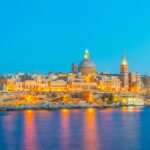
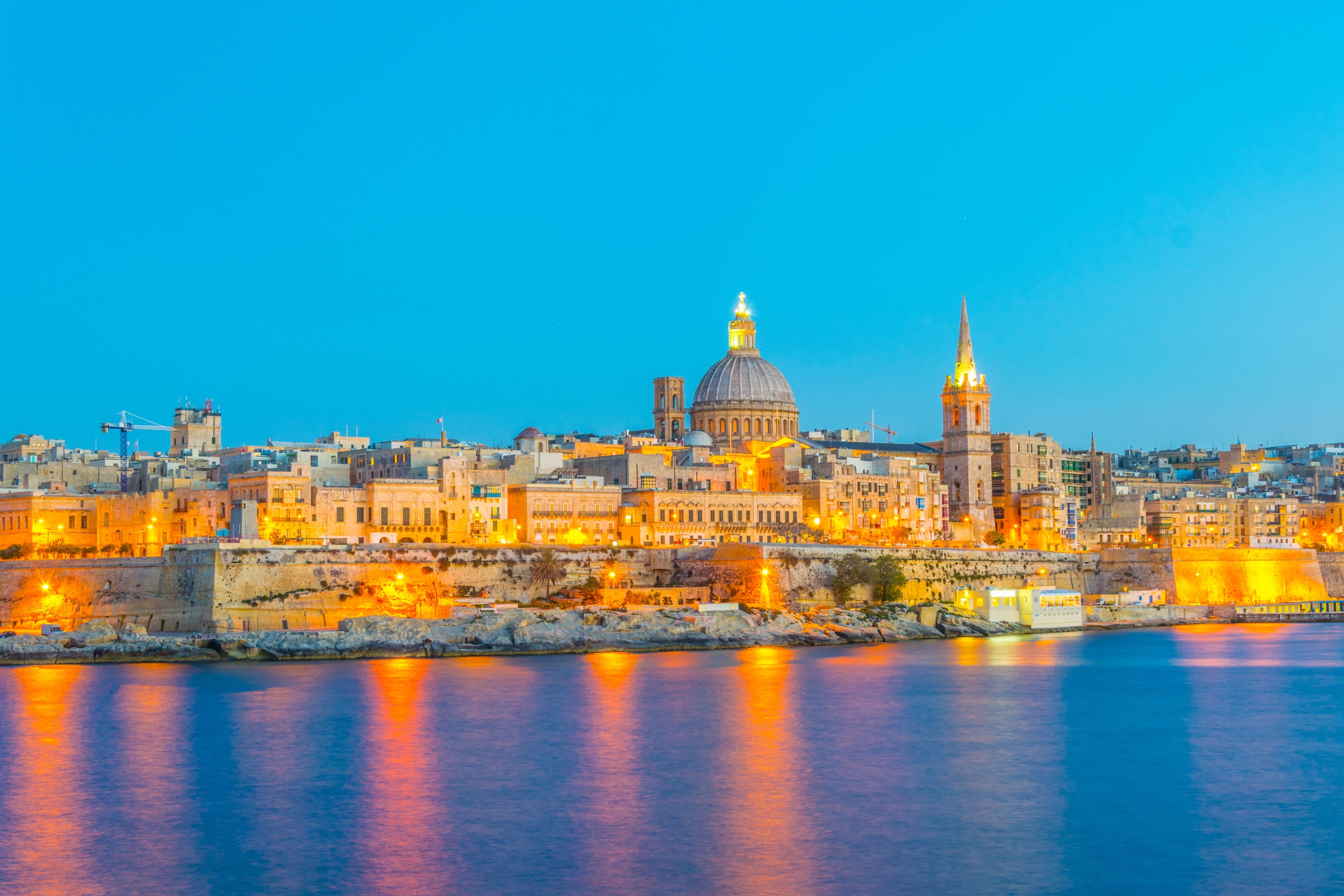
Few capitals in Europe offer coastal scenery as dramatic and accessible as Valletta’s. Overlooking the Grand Harbour—one of the world’s most picturesque natural ports—the city provides endless opportunities for scenic strolls, peaceful waterfront reflections, and sweeping photo-worthy moments. Visitors can watch colourful boats glide across the water, take leisurely ferries to nearby towns, or admire the skyline from viewpoints like the Upper Barrakka Gardens. The combination of sea breeze, limestone architecture, and Mediterranean sunlight creates a calming atmosphere that instantly transports travellers into holiday mode.
Beyond sightseeing, Valletta’s harbour areas are home to cafés, open-air terraces, and seaside restaurants that allow visitors to unwind by the water. From sunrise to sunset, the coastal views shift in colour and character, offering moments of tranquillity that contrast beautifully with the city’s cultural richness. These waterfront scenes highlight why Malta’s capital stands out among European destinations, appealing to travellers who appreciate the harmony between heritage and natural beauty.
Local Cuisine and Dining Experiences That Reflect Malta’s Identity
Food plays a key role in Valletta’s rising popularity, offering visitors a taste of Maltese culture shaped by its Mediterranean and North African influences. Traditional dishes such as rabbit stew, ftira, and seafood pasta reflect the island’s deep culinary history, while bakeries fill the air with the aroma of pastizzi—flaky pastries with ricotta or pea filling. Valletta’s restaurants and bistros serve everything from rustic comfort food to elevated dining, giving travellers a versatile and flavourful tasting journey.
The growing emphasis on farm-to-table concepts and local ingredients adds depth to the dining experience. Many chefs incorporate seasonal produce, fresh seafood, and homegrown herbs to celebrate Malta’s agricultural roots. Waterfront dining offers a scenic backdrop to evening meals, while hidden alley cafés invite visitors to linger over coffee or Maltese desserts. This combination of culinary tradition and creative experimentation makes Valletta a must-visit for food enthusiasts seeking authentic flavours without the crowds found in more commercial destinations.
Accessibility, Walkability, and Why Travellers Find Valletta So Easy to Explore
Valletta’s compact size is one of its greatest strengths. Unlike sprawling capitals that require extensive transportation, Valletta encourages exploration on foot, allowing visitors to navigate its attractions at a relaxed pace. The city’s gentle slopes, pedestrian-friendly streets, and well-connected ferry routes make it ideal for travellers seeking an accessible and stress-free experience. Whether visiting historical landmarks, coastal viewpoints, or vibrant markets, most destinations are only a few minutes apart.
This ease of movement makes Valletta particularly appealing for short stays or weekend breaks. Travellers maximise their time without rushing, absorbing more of the city’s atmosphere and character. Neighbouring towns—such as Sliema and the Three Cities—are also easily accessible, making Valletta a convenient base for exploring the broader island. This sense of effortless discovery aligns closely with The Bryn Review’s mission to offer elevated cultural travel perspectives, the homepage keyword featured in this article.
Conclusion
Valletta’s rising status as one of Europe’s most underrated destinations is no coincidence. The city seamlessly combines centuries-old architecture, vibrant cultural life, breathtaking coastal scenery, and a welcoming atmosphere that invites slow, meaningful exploration. Its walkable layout and harmonious balance between history and modernity make it an ideal escape for travellers seeking depth without the chaos of crowded tourist hubs. As remote work, short breaks, and cultural tourism grow, Valletta’s appeal continues to expand, capturing the imagination of visitors who value authenticity, beauty, and atmosphere in equal measure. This trend reflects The Bryn Review’s commitment to sharing elevated cultural travel perspectives, demonstrating how emerging destinations like Valletta redefine the way people experience Europe.