





Introduction — How Sleep Technology Is Evolving to Meet the Needs of an Overstimulated Generation
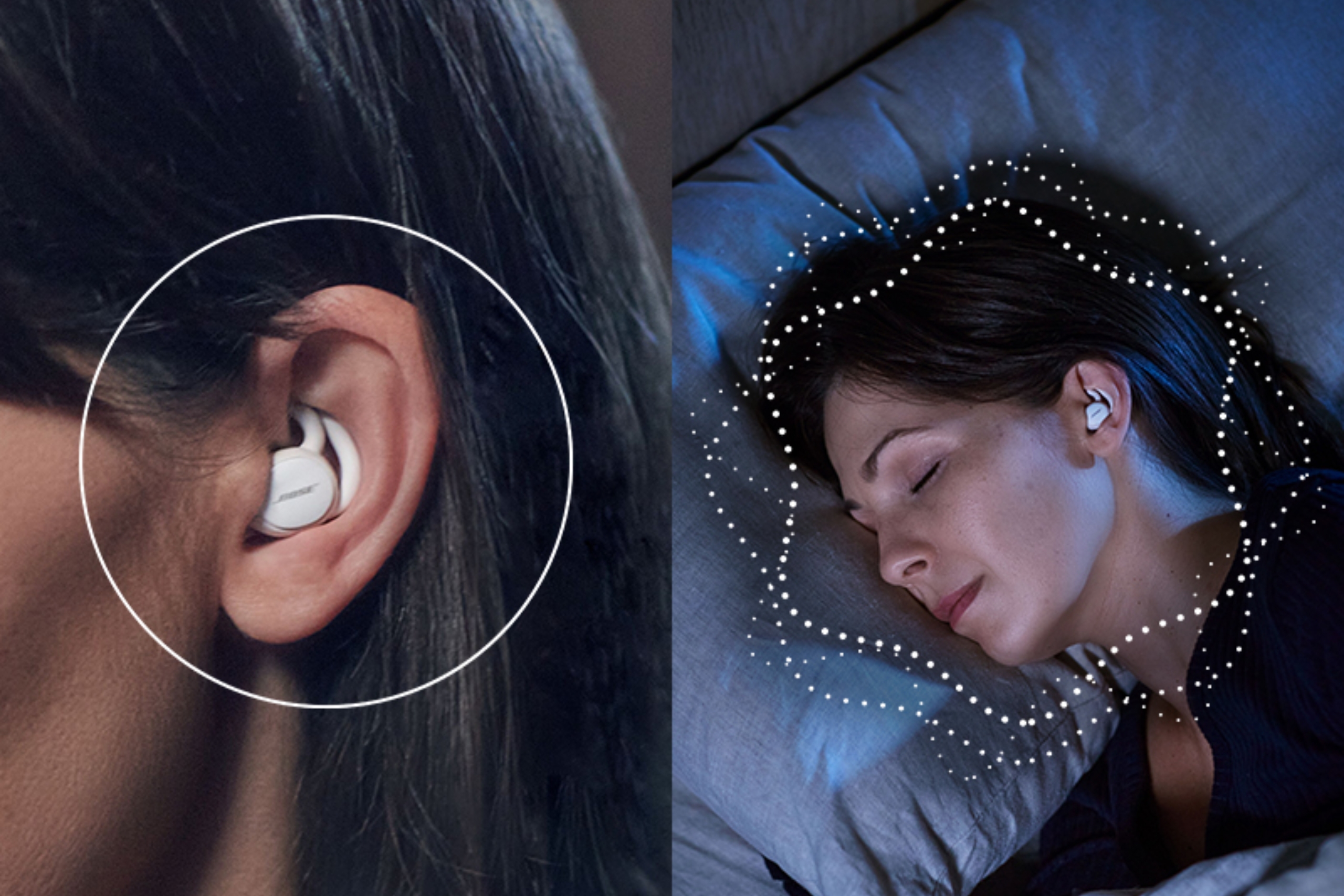
In recent years, sleep technology has advanced rapidly as consumers search for ways to improve rest in an increasingly noisy and overstimulated world. Among the newest innovations gaining attention are noise-cancelling sleep buds—small, comfortable earbuds designed specifically to help individuals fall asleep faster, stay asleep longer, and block external distractions that disrupt rest. Unlike traditional headphones, sleep buds combine ultra-soft materials, compact designs, and targeted sound masking features that cater to those who struggle with urban noise, snoring partners, or irregular sleep schedules.
As daily routines become more demanding, high-quality sleep is no longer viewed as a luxury but as a vital component of health and productivity. This growing awareness has led consumers to explore smart, personalised solutions that improve sleep hygiene without the need for invasive devices or medication. Noise-cancelling sleep buds are emerging as a promising option, blending cutting-edge sound engineering with user-centered comfort. Their rising popularity suggests a shift in how people use technology not just for entertainment or communication, but for restorative and wellness-focused routines.
Why Noise-Cancelling Sleep Buds Appeal to Modern Consumers Seeking Better Rest
The appeal of noise-cancelling sleep buds lies in their ability to address one of the most common sleep disruptors: environmental noise. For individuals living in busy neighbourhoods, sharing rooms, or travelling frequently, controlling sound disturbances can feel nearly impossible. Sleep buds provide an accessible solution by combining passive noise isolation with active noise cancellation (ANC), helping create a peaceful sleep environment regardless of external conditions.
Many consumers also appreciate the portability and convenience these devices offer. Unlike white noise machines or bulky over-ear headphones, sleep buds are designed for comfort and mobility, making them easy to incorporate into nightly routines or use while travelling. Their lightweight design allows users to sleep on their side without discomfort—an important factor for long-term usability. These practical advantages tie closely to consumer-driven sleep technology innovations, the category keyword used in this article, reflecting broader trends in personal wellness technology.
How Sound Masking and Noise Cancellation Improve Sleep Quality
Noise-cancelling sleep buds utilise advanced sound technology to create a restful audio environment. Active noise cancellation works by generating soundwaves that counteract external noise, reducing background distractions such as traffic, wind, or household activity. For deeper relaxation, many sleep buds pair ANC with sound masking features that play calming soundscapes like rainfall, ocean waves, or low-frequency white noise.
These audio tools help the brain transition smoothly into restful states. Studies have shown that consistent sound environments reduce micro-awakenings and help maintain deeper sleep stages throughout the night. For individuals dealing with light or intermittent noises, sound masking can be especially effective, providing a stable auditory backdrop. Paired with responsive mobile apps, users can customise their sleep sound profiles, set timers, and adjust volumes to suit their preferences. This personalised approach allows sleep buds to support healthier bedtime routines, aiding those who struggle with inconsistent sleep patterns.
Design Features That Make Sleep Buds Suitable for Overnight Use
One of the biggest challenges in developing sleep-friendly earbuds is ensuring long-lasting comfort. Leading brands have focused on soft silicone materials, ergonomic shapes, and ultra-compact hardware that fits snugly without pressing against the ear during movement. This thoughtful design helps prevent irritation—an essential requirement for devices worn for several hours at a time.
Battery life is another critical component. Many sleep buds offer all-night playtime, often lasting between 8 and 10 hours, supported by low-energy audio playback. Users can charge them easily in portable cases, similar to traditional wireless earbuds. Breathable materials and secure yet gentle seals ensure long-lasting comfort even for side sleepers. These advancements make sleep buds far more viable than standard headphones, which are often too bulky for overnight wear. The combined innovation in form, function, and comfort is what continues to push sleep buds into the spotlight as a rising consumer tech trend.
Limitations Consumers Should Consider Before Investing
Despite their benefits, noise-cancelling sleep buds come with limitations that buyers should weigh carefully. One concern is battery reliability. While modern models offer impressive playtime, older or budget-friendly versions may struggle to last a full night, disrupting sleep when they power off unexpectedly. Comfort varies by ear shape as well, making fit an important consideration before purchase.
Another limitation involves noise cancellation accuracy. While effective for low-frequency sounds like humming appliances or distant traffic, sleep buds may not fully block sudden loud noises. They also require proper maintenance to ensure hygiene, as wearing earbuds overnight increases the need for regular cleaning. Cost can also be a barrier, as high-quality models often carry premium price points due to their specialised technology. Understanding these limitations helps consumers make informed decisions that balance expectations with practicality.
Why Sleep Buds Could Become a Mainstream Tech Trend in Coming Years
The broader consumer shift toward personal wellness technology has created an ideal environment for sleep-focused gadgets to thrive. As individuals become more aware of the long-term consequences of poor sleep—including reduced cognitive performance, weakened immunity, and increased stress—demand for solutions that support restorative rest is rising. Sleep buds fit this niche perfectly, offering convenience, portability, and meaningful improvements without requiring major lifestyle changes.
Additionally, advancements in miniaturised hardware, Bluetooth efficiency, and audio engineering continue to enhance the viability of sleep buds. As more brands enter the market, competition is likely to drive innovation, lower costs, and expand accessibility. This growth reflects the forward-thinking ethos of The Bryn Review, particularly its emphasis on innovative digital wellness perspectives, the homepage keyword placed here. With wellness-driven tech becoming a cornerstone of consumer behaviour, noise-cancelling sleep buds are positioned to remain a significant trend in the years ahead.
Conclusion
Noise-cancelling sleep buds represent a growing intersection between technology and personal wellness, addressing the widespread challenge of achieving uninterrupted rest. Their blend of comfort-focused design, advanced audio engineering, and customisable sound options makes them appealing to individuals seeking practical ways to improve sleep quality. While limitations such as battery life, fit variation, and cost should be considered, the overall benefits demonstrate why these devices continue to gain traction. As sleep health becomes a priority for consumers nationwide, sleep buds offer a forward-looking solution that aligns with modern routines and environments. This evolution reflects The Bryn Review’s mission to explore innovative digital wellness perspectives, highlighting how emerging technologies continue to redefine the future of everyday well-being.